
Kano Politics: Beyond the Sacking of King Indara
Opinion by Muazzam Ibrahim Hussain, Political Analyst from Kano
24 March 2026
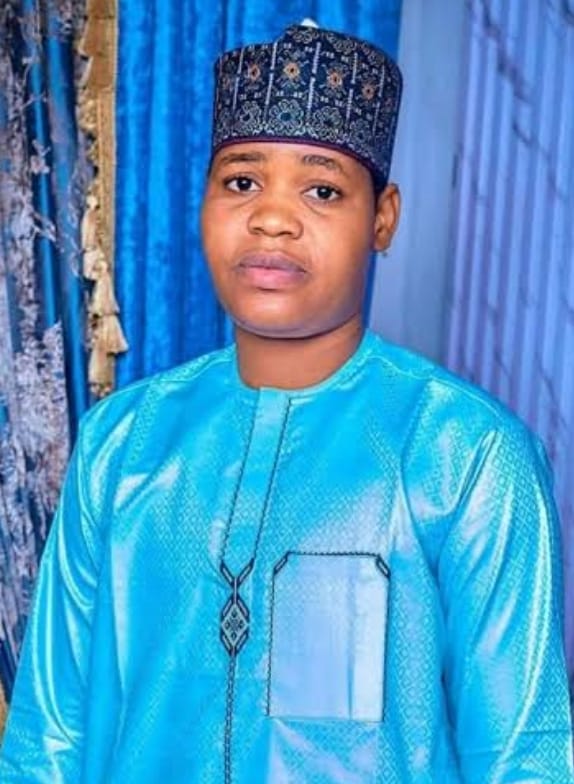
The dismissal of Umar Alhassan, popularly known as King Indara, by the Deputy President of the Senate, Distinguished Senator Barau I. Jibrin, over his social media post declaring “ABBA MUST GO,” may appear to be an attempt to enforce political discipline. However, in my view, the action has also raised questions about consistency, especially because other political associates linked to Senator Barau have made similar or stronger statements against Governor Abba Kabir Yusuf and President Bola Ahmed Tinubu without facing comparable consequences.
Mustapha Badamasi Naburuska, who was appointed by Senator Barau, has repeatedly criticised both Governor Abba Kabir Yusuf and President Bola Ahmed Tinubu. Similarly, Abdulmajid Danbilki Commander, who is widely believed to enjoy Senator Barau’s political support, has openly opposed the political direction of both leaders and has argued that President Tinubu should not be supported for another term, preferring former Vice-President Alhaji Atiku Abubakar. These examples have led some observers to describe King Indara’s dismissal as political theatre rather than the application of a clear and consistent principle.
The controversy has also revived allegations concerning Senator Barau’s role in the legal battle of Nasiru Yusuf Gawuna and the APC after the 2023 Kano governorship election. Some APC members have alleged that Senator Barau did not fully support the case because a Gawuna victory might have affected his own ambition to contest for the Kano governorship, they continue to influence perceptions within the party, particularly among those who believe that weakening Governor Abba Kabir Yusuf could create space for Senator Barau’s future ambition.
Governor Abba Kabir Yusuf and his administration must also answer questions about consistency. While some of Senator Barau’s associates have attacked the Governor and President Tinubu, some Kano Government appointees have reportedly indicated that they would not campaign for or support President Tinubu. Hon. Aliya Abba Gidagida, identified as a Senior Special Reporter attached to the Ministry of Monitoring and Evaluation, was reported to have said that he could not promote President Tinubu, yet no comparable disciplinary action appears to have followed.
This situation has encouraged critics to question whether the Kano State Government is genuinely committed to supporting President Tinubu and the APC. Their concerns are strengthened by the administration’s previous treatment of political appointees. Hon. Adamu Kibiya, former Commissioner for Land and Physical Planning, was removed in 2023 after controversial remarks concerning judges handling the Kano governorship dispute but later returned to government. Hon. Yusuf Shuaibu Imam, popularly known as Ogan Boye, was also removed after controversial comments concerning Vice-President Senator Kashim Shettima, yet he later returned to political relevance through his association with the leadership of Nasarawa Local Government.
The case of former Commissioner Hon. Namadi Dala has also contributed to the debate, following his earlier removal amid controversy surrounding allegations connected to the bail of a suspected drug dealer and speculation that he could return to government. At the same time, individuals perceived to be politically connected to Senator Rabiu Musa Kwankwaso, including some local government chairmen and councillors, have reportedly faced suspension or other disciplinary measures. Critics therefore ask why those who openly oppose President Tinubu appear to remain untouched while others suspected of loyalty to Kwankwaso face sanctions.
In light of these developments, some APC stakeholders in Kano are calling on President Bola Ahmed Tinubu and the APC National Chairman, Prof. Nentawe Goshwe Yilwatda, to establish an inclusive campaign structure ahead of the next presidential election. They argue that the responsibility for President Tinubu’s campaign should not be left entirely to the Kano State Government. Instead, major stakeholders and members of the old APC structure who worked for Tinubu in 2023 should be included, especially considering that the President secured more than 500,000 votes in Kano during that election.
Ultimately, the issue goes beyond the dismissal of King Indara; it is about fairness, consistency and political trust. If Senator Barau disciplines an aide for attacking Governor Abba Kabir Yusuf, similar standards should apply to other associates who make comparable statements. Likewise, if Governor Abba Kabir Yusuf wants to demonstrate genuine cooperation with President Bola Ahmed Tinubu, his administration must clearly address statements by its appointees who reject support for the President. Both sides will ultimately be judged not by their declarations alone, but by whether their actions consistently reflect the principles they claim to uphold.